
TIMELINE
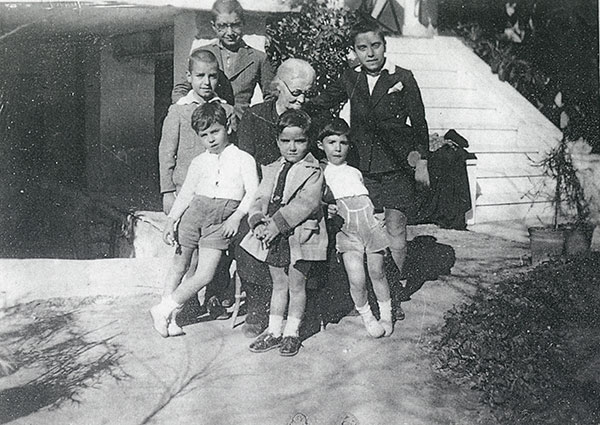
23 June 1936: Birth of Costas Simitis in Piraeus
He grows up during the years of the Occupation in a family where left-wing convictions went hand in hand with active political engagement. He is the son of Professor Georgios Simitis of the Athens University of Economics and Business (ASOEE) and Fani Christopoulou, Vice President of the Panhellenic Women’s Union. His brother is Spiros Simitis.
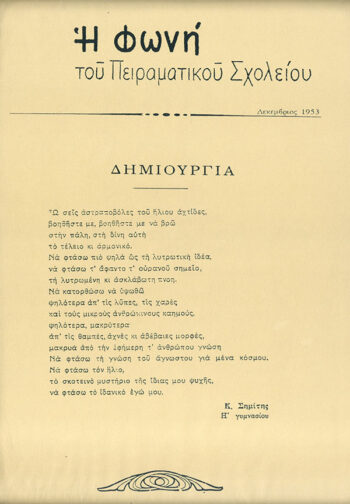
1 July 1954: Graduation from the Experimental School of the University of Athens
In December 1953, the poem entitled “Creation” by the outstanding student Konstantinos Simitis was published in “Foni”, the magazine of the Experimental School.
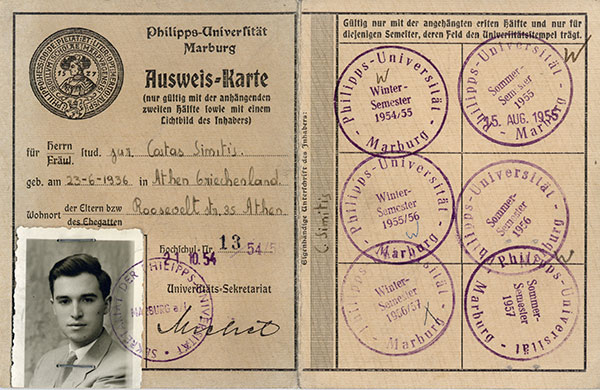
September 1954: Legal studies in Germany
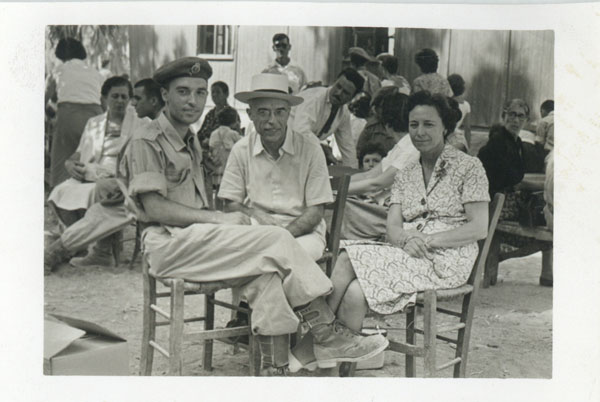
1959–1961: Military service
He is conscripted at the Corinth Recruit Training Centre in 1959 and completes his military service in 1961.
1961: Studies in Economics in London
He studies economics at the London School of Economics (LSE).
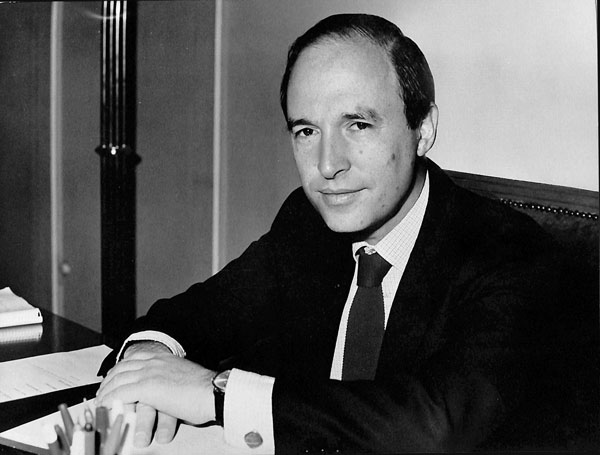
1963: Return to Greece – Legal practice
He returns to Greece and begins practising law.
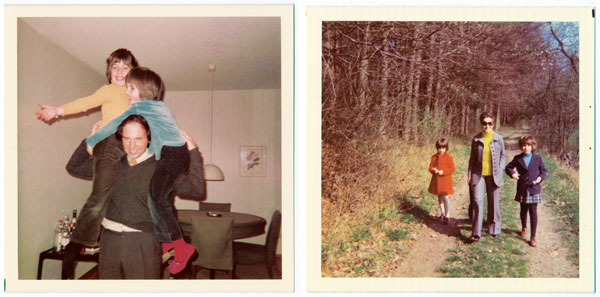
August 1964: Marriage
He marries Daphne Arkadiou. They have two daughters, Marilena and Fiona Simitis.
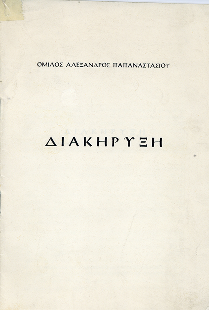
1966: Founding of the “Papanastasiou Group”
Returning to Greece during the turbulent 1960s, his political concerns lead him, together with fellow activists, to found the “Papanastasiou Group.”
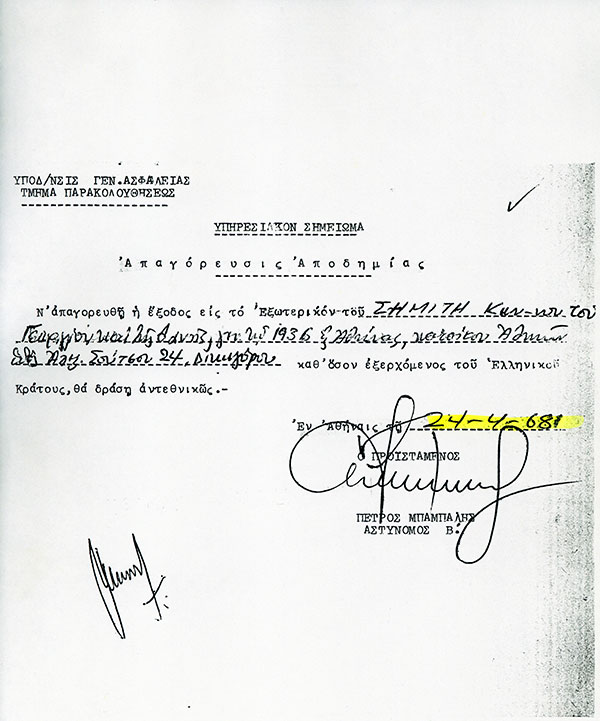
1968: Resistance against the Dictatorship
He immediately joins the anti-dictatorship struggle, participating in dynamic forms of resistance. In one such action, an improvised bomb explodes in the hands of his fellow activist Sakis Karagiorgas.
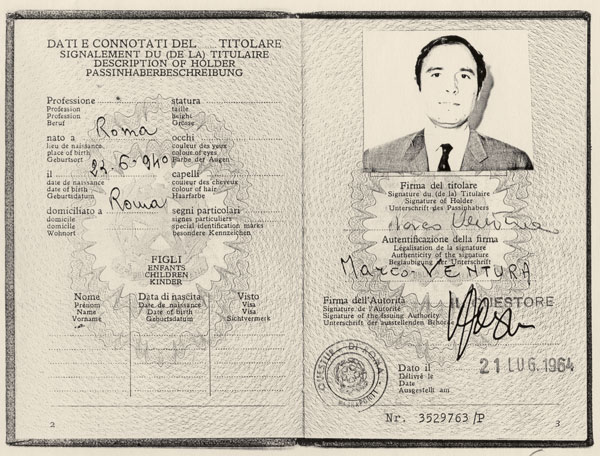
1969: Illegal escape abroad
The dictatorship forces Costas Simitis into clandestine activity, the arrest and isolation of Daphne Simitis, and his own escape abroad using a forged passport. He travels under the name of the Italian Marco Ventura.
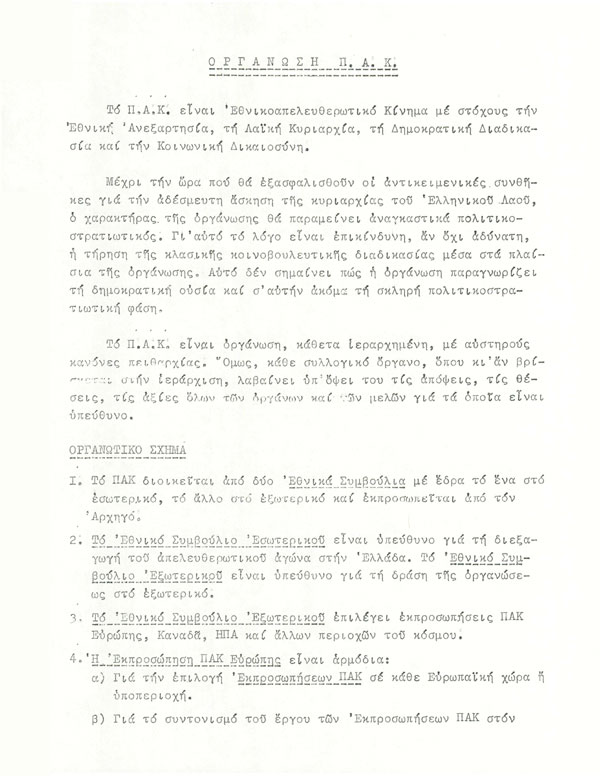
June 1970: Founding Declaration of PAK
Alongside his academic career abroad, he continues his anti-dictatorship activity through articles, speeches, interviews, and contacts with underground activists in Greece and abroad.
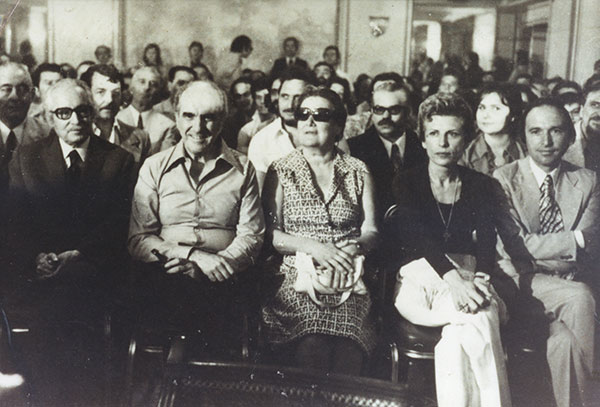
September 1974: Founding Declaration of PASOK
Following the restoration of democracy, he returns immediately to Greece with his family and actively participates in drafting the Declaration of 3 September 1974 and in the founding of PASOK.
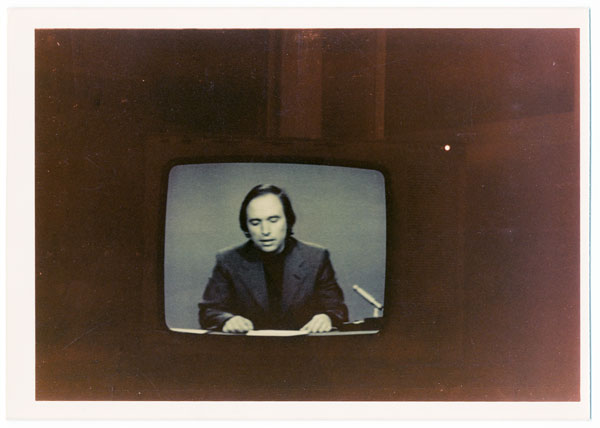
December 1974: Referendum of 1974
As a television advocate of the “NO to the monarchy” position in the 1974 referendum, he experiences from positions of responsibility the internal upheavals of PASOK during the five-year period leading to the 1981 elections.
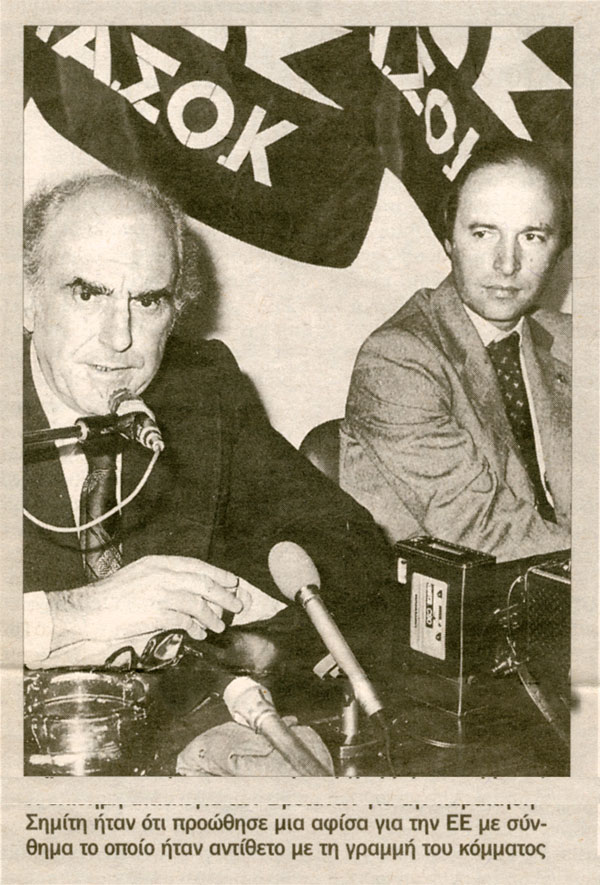
10 June 1979: Resignation from the Executive Bureau of PASOK
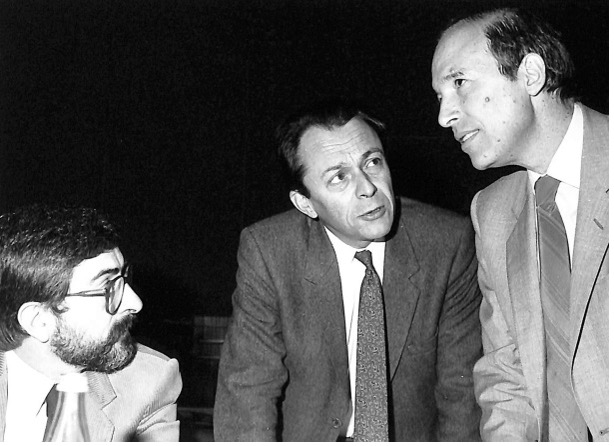
1981–1985: Minister of Agriculture
His political trajectory leads Andreas Papandreou to entrust him with critical ministerial posts. As Minister of Agriculture, following Greece’s accession to the EEC, Costas Simitis secures significant resources for Greek agriculture by integrating it into the Common Agricultural Policy.
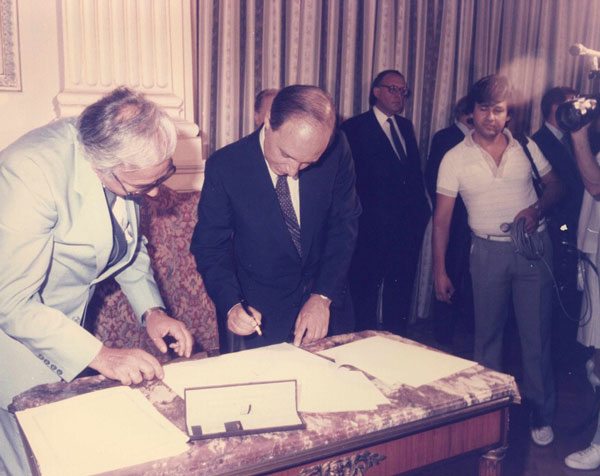
1985–1987: Minister of National Economy
He assumes the Ministry of National Economy, where he successfully implements the first stabilisation programme, which remains incomplete after Andreas Papandreou decides to reverse it. He subsequently submits his resignation.
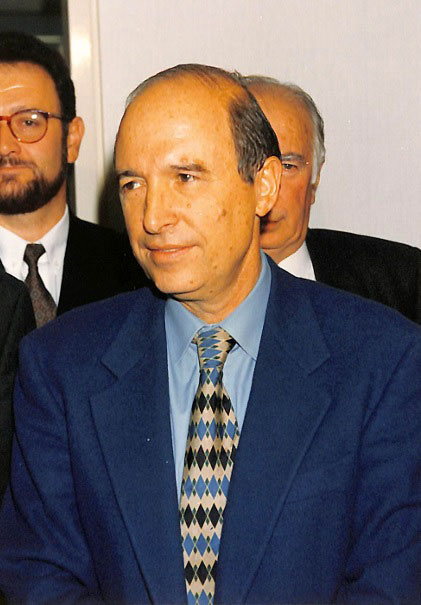
1989–1990: Minister of National Education and Religious Affairs
During the Ecumenical Government led by Professor Xenophon Zolotas (November 1989 – February 1990), he serves as Minister of National Education and Religious Affairs.
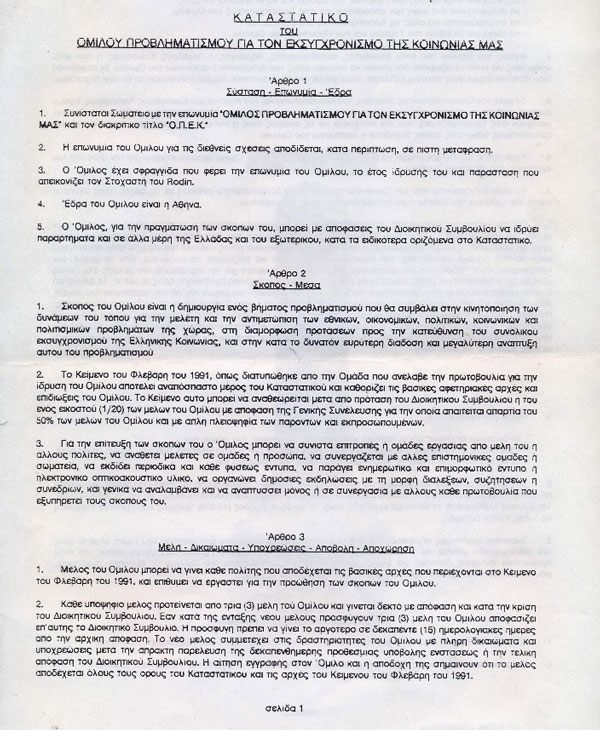
1991: Founding of the “Group for Reflection on the Modernisation of Our Society”
The term “modernisation” enters Greek political life and becomes closely associated with Costas Simitis.
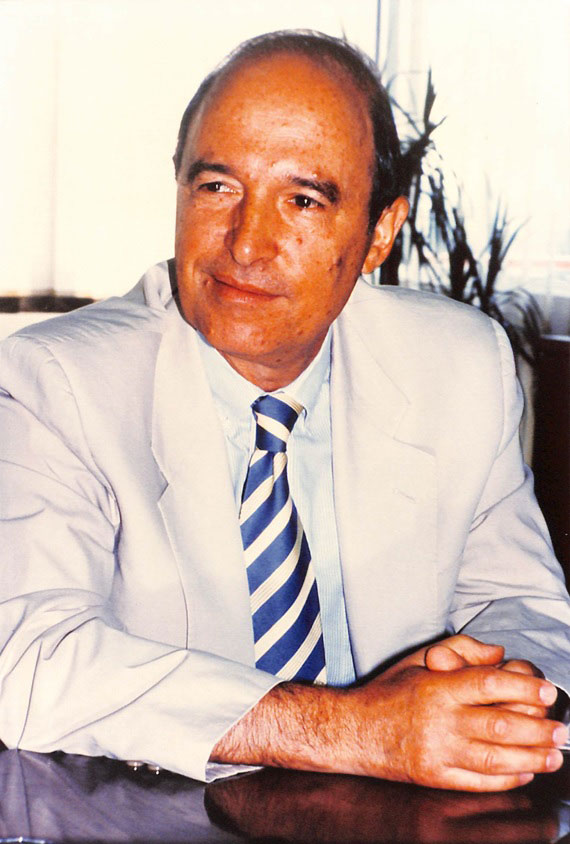
1993–1995: Minister of Industry, Energy, Research and Technology & Minister of Trade
From 1993 to 1995, he serves concurrently as Minister of Industry, Energy, Research and Technology and Minister of Trade. During this period, he lays the foundations for a long-term development policy for the Greek economy. He resigns on 11 September 1995 following the handling of matters within his remit by the Prime Minister without prior consultation.
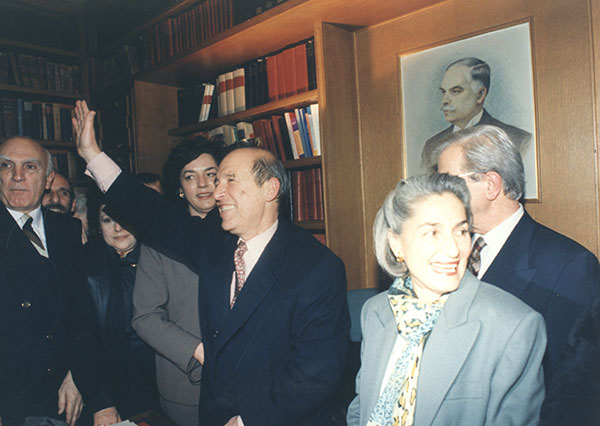
18 January 1996: Prime Minister of Greece
In late November 1995, Andreas Papandreou is hospitalised at the Onassis Cardiac Surgery Center, and his declining health does not improve. Following Papandreou’s letter of resignation, the Parliamentary Group elects Costas Simitis as Prime Minister on 18 January 1996.
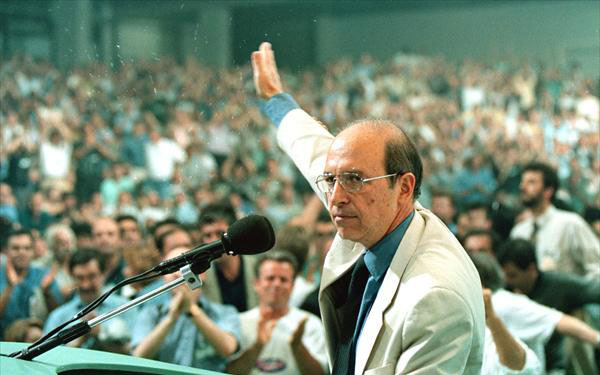
30 June 1996: 4th PASOK Congress
At the 4th PASOK Congress, held after the death of Andreas Papandreou, Costas Simitis is elected President of PASOK with 53.77% against Akis Tsochatzopoulos (46.23%). In his speech, he states:
“After the death of Andreas Papandreou, the position of President of the Movement is vacant. I will be a candidate for this office. If I am not elected President, I will resign as Prime Minister.”
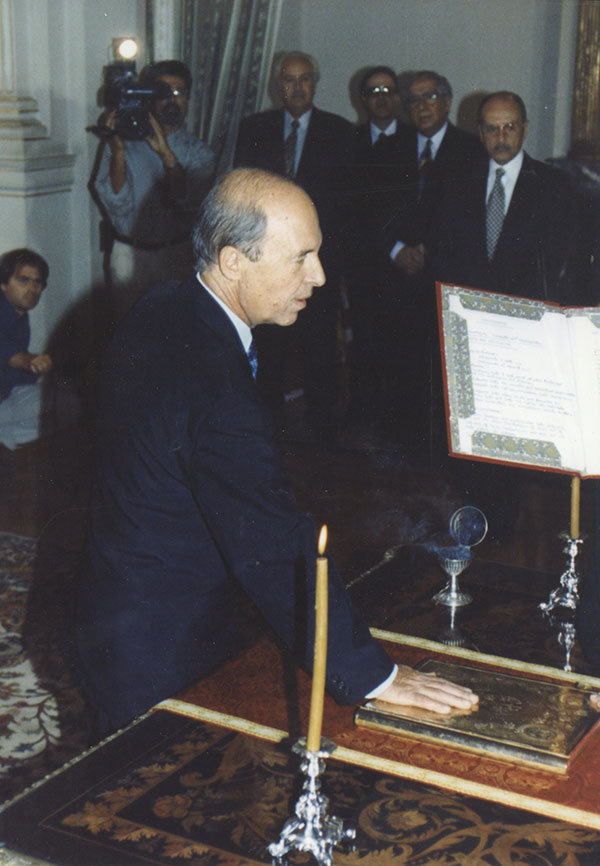
22 September 1996: National elections
PASOK wins the elections with Costas Simitis as Prime Minister and party President. The first Simitis government is formed and sworn in on 25 January 1996.
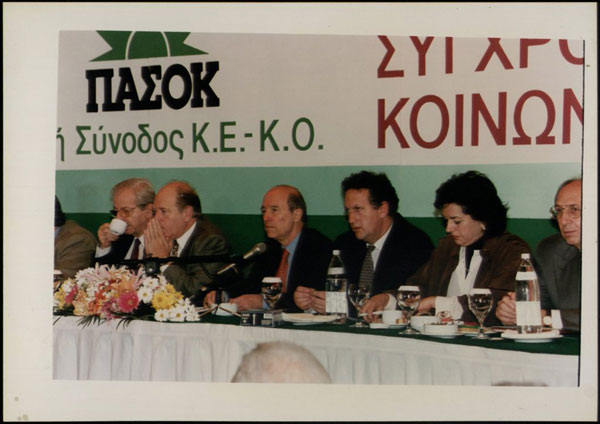
March 1999: 5th PASOK Congress
Costas Simitis is re-elected President of the Movement.
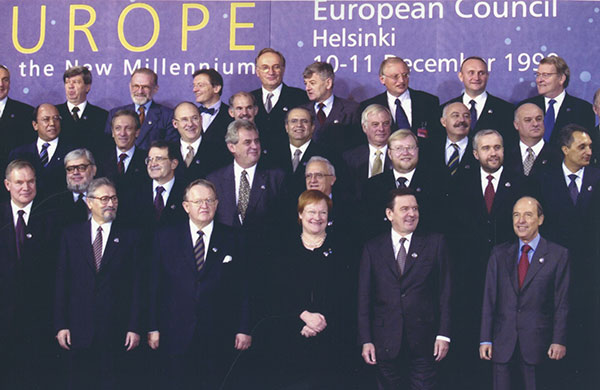
11–12 December 1999: Helsinki European Council
With the Helsinki agreement, Costas Simitis, following a clear strategic plan, succeeds in integrating Greek–Turkish relations into the European framework—an important development in Greek foreign policy—while the decision is taken to begin accession negotiations for Cyprus with the European Union.
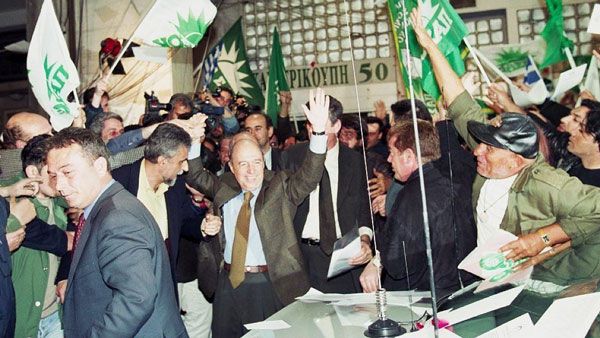
9 April 2000: National elections
Costas Simitis is re-elected Prime Minister, with an increased percentage for PASOK.
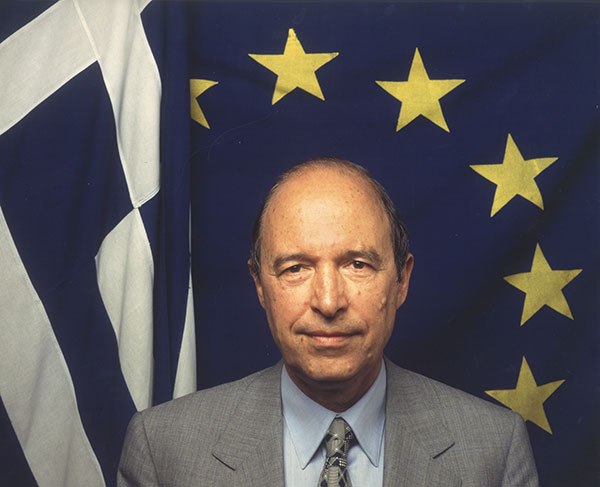
1 January 2001: Accession to the EMU
With Greece’s accession to the Economic and Monetary Union on 1 January 2001, the country’s participation in the European Union is completed. Greece gains monetary stability, a strong currency, and a stable macroeconomic framework.
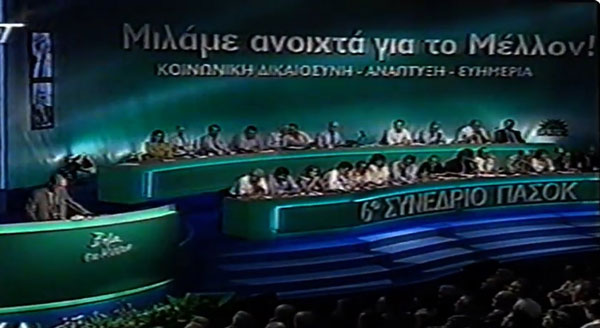
October 2001: 6th PASOK Congress
Costas Simitis is elected President of the Movement for a third term.
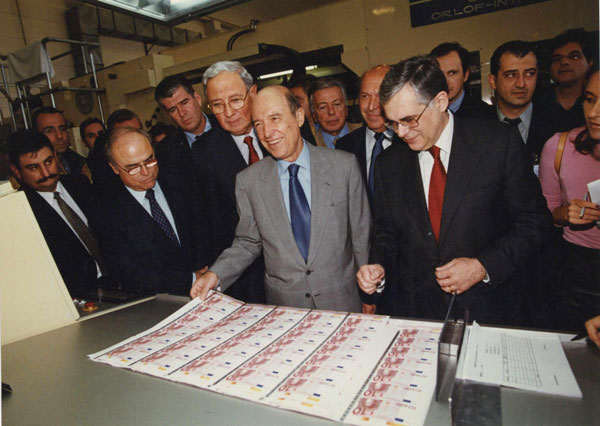
1 January 2002: Introduction of the euro
The introduction of the euro crowns Greece’s accession to the EMU. The Greek economy achieves fiscal stabilisation and, for the first time in many decades, outperforms several other European countries in growth rates, inflation control, investment levels, and the strengthening of the welfare state.
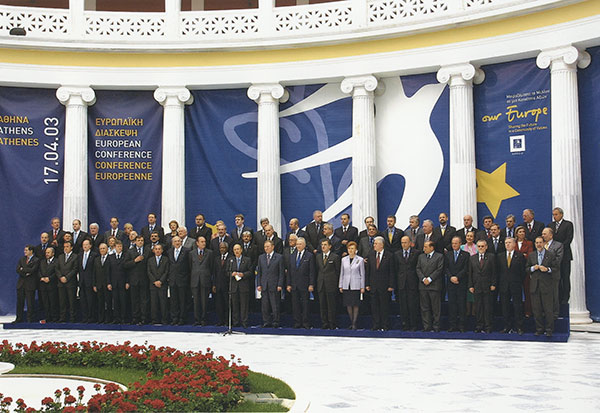
14 April 2003: Presidency of the European Union
As Prime Minister, he presides over the European Council during the first half of 2003. During the Greek Presidency, on 14 April 2003, at the Stoa of Attalos in Athens, the accession to the European Union of ten new Member States—including Cyprus—is formalised. At the same time, procedures for the draft European Constitution are completed, the Lisbon Strategy for growth and employment is promoted, and a unified stance of EU Member States is achieved regarding the crisis arising from the war in Iraq.
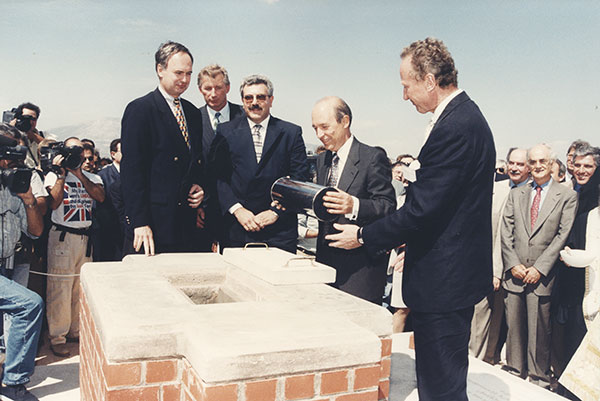
1996–2004: Indicative infrastructure projects of the Simitis government
Regional development is promoted through the implementation of hundreds of small and large infrastructure projects across Greece, including Eleftherios Venizelos International Airport, the Attiki Odos motorway, the Rio–Antirrio Bridge, the Athens Metro, and the Egnatia Odos.
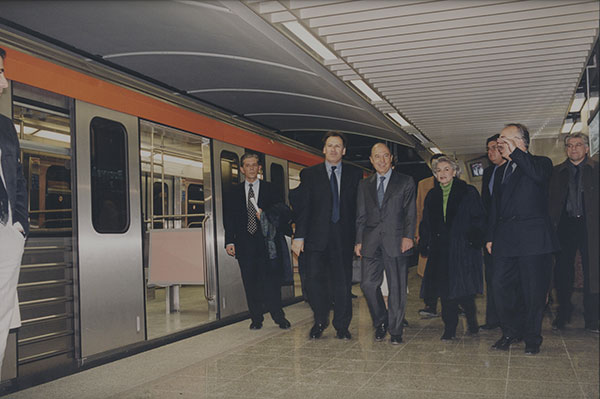
1996–2004: Indicative infrastructure projects of the Simitis government
A programme of comparable scale modernises the welfare state, with emphasis on health and social care infrastructure, notably the construction of dozens of hospitals nationwide.
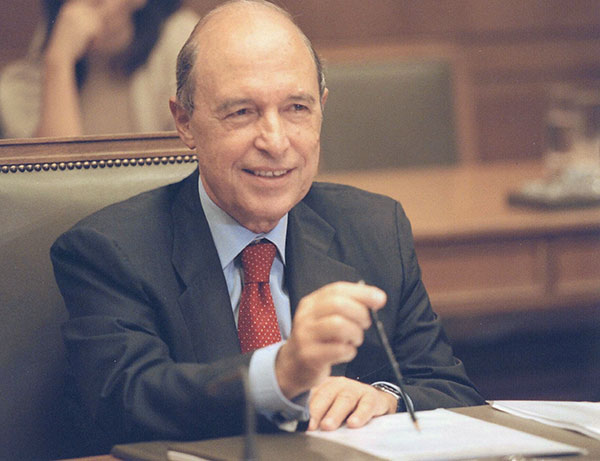
7 January 2004: Resignation from the Presidency of PASOK
In order to ensure a smooth political succession, he announces his resignation as President of PASOK, while remaining Prime Minister until the completion of his second term and the parliamentary elections of 7 March 2004, thus completing more than eight years as Prime Minister.
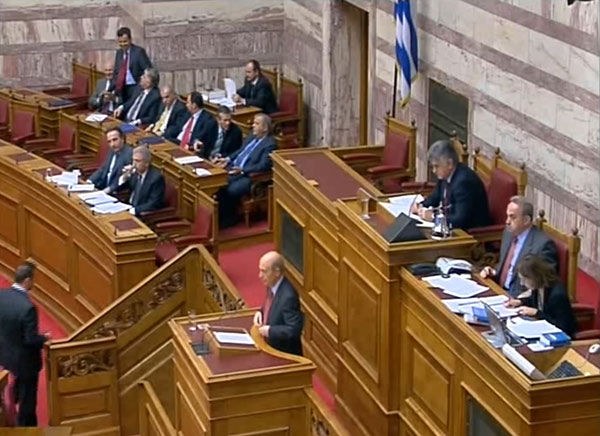
13 June 2008: Removal from the PASOK Parliamentary Group
His firm belief in European integration and his opposition to the idea of a referendum on the Lisbon Treaty lead to his removal from the PASOK Parliamentary Group. Shortly thereafter, speaking from the floor of Parliament, he expresses concern that Greece will be forced to turn to the IMF due to difficulties in borrowing.

2008–2025: The years that followed
Costas Simitis continues to intervene in public life through speeches and articles, serving his enduring goal of a strong Greece, a strong society, modernisation, and a European orientation.
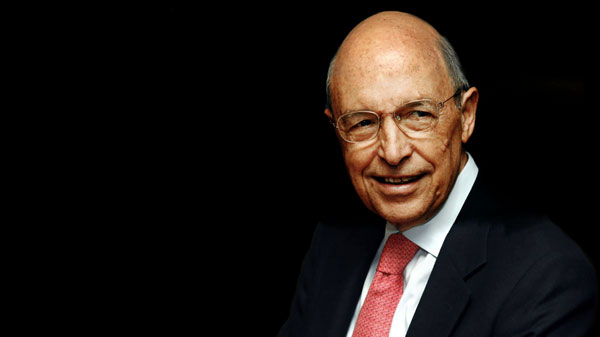
5 January 2025
Passing of Costas Simitis